

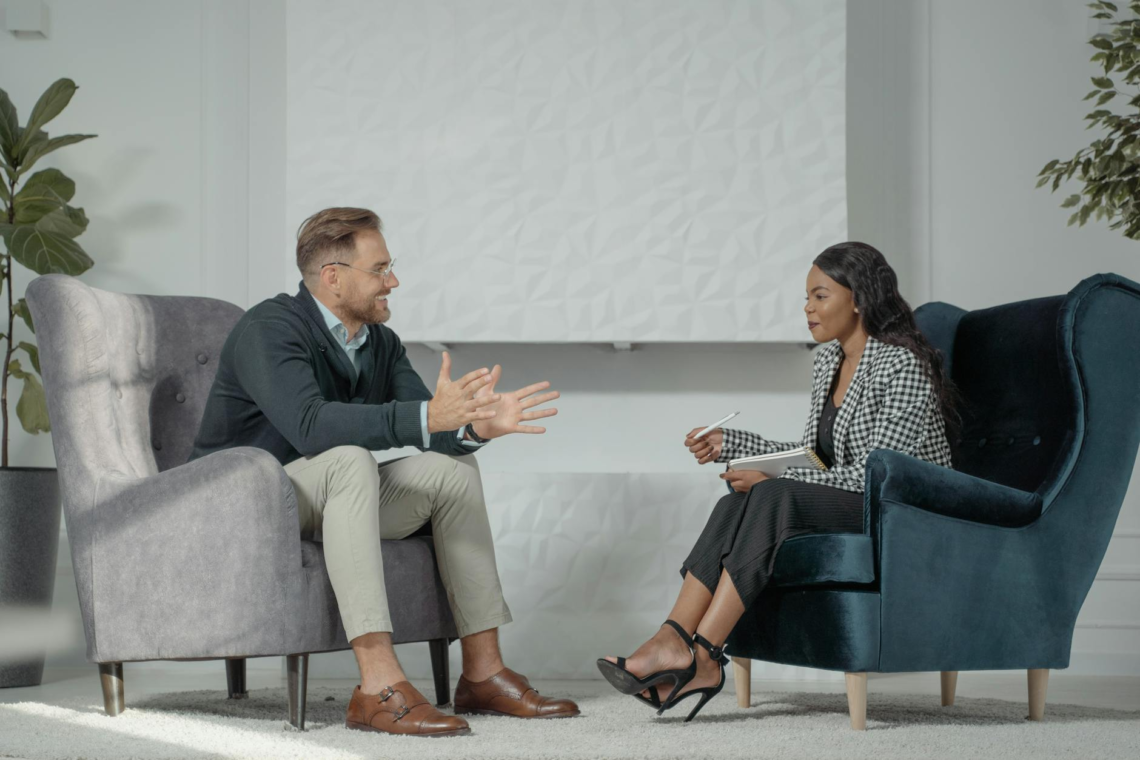
Companies have witnessed the evolution of interview formats and the rising need for flexible strategies. From quick virtual check-ins to multi-member panel environments and specialized technical assessments, the modern hiring process has become a fusion of technology and human interaction. It can be challenging for organizations to balance these distinct approaches while maintaining a positive candidate experience. Yet, when done correctly, these diverse methods present an outstanding opportunity to gauge expertise, communication, and cultural alignment across industries such as Accounting, Banking, Construction, Healthcare, Human Resources, Insurance, Mortgage, Publishing, Real Estate, Business, Information Technology, Management, Finance, Creative or Digital, Marketing, Marketing Research, Apparel or Textile, and even Legal Support.
Shaping a Focused Virtual Interview Environment
More businesses rely on video platforms for the early stages of recruitment, making virtual interviews a key screening method. By optimizing both technology and surroundings, employers can create an atmosphere that feels welcoming—even from miles away. Reliable audio and video tools are crucial; candidates need to see and hear their interviewers without unexpected disruptions. This is especially relevant for professional roles in sectors like Finance or Marketing, where clarity and communication are central to daily duties. Setting up proper lighting not only makes a good impression on prospective hires but also focuses attention on the conversation, rather than any visual distractions.
Equally important is how the recruiter or hiring manager presents themselves on-screen. Simple gestures, like steady eye contact with the camera and affirmative nods, show genuine attention to the dialogue. Job seekers also notice body language and tone of voice, so speaking in a measured, welcoming manner projects confidence and empathy. For instance, those who aim to fill customer-facing roles in Real Estate or Construction must display strong interpersonal skills from the get-go. By carefully curating the first virtual touchpoint, organizations signal professionalism, something that top industry experts from Human Resources or Insurance look for when considering a new workplace.
Thriving in Panel Interviews Through Structured Collaboration
When multiple stakeholders are involved, a panel format offers a powerful snapshot of how a candidate navigates an environment with varied personalities and job functions. Instead of letting discussions become unorganized or repetitive, a strategic flow can bring out the best in both interviewer and interviewee. For teams in Healthcare or HR, ensuring each panel member has a clear objective—whether evaluating patience, leadership, or problem-solving—allows a well-rounded view of the applicant’s suitability.
Precise coordination is key. One panelist might focus on technical expertise, another on cultural adaptability, and a third on communication finesse. This level of organization encourages the candidate to present relevant achievements in response to each query. As a result, you’ll uncover how effectively they can handle questions from different angles—mirroring real-world scenarios where cross-department collaborations are essential. In smaller enterprises, a tactful panel dynamic highlights a sense of unity, which can be especially attractive to skilled professionals seeking workplaces with tight-knit teams.
Tackling Technical Interviews Under Pressure
In technical interviews, the aim is to evaluate a candidate’s problem-solving finesse on the spot, often under time-sensitive conditions. Employers that predominantly deal with data—like those in Banking or Information Technology—commonly employ live coding tasks or scenario-based challenges to observe logical thinking in action. Meanwhile, within Construction or Real Estate project management, a candidate might be asked to approximate costs or interpret architectural plans within a certain timeframe.
The essence of these exercises lies in revealing how applicants handle complexity. Whether they’re explaining a coding loop or dissecting a legal contract, it’s beneficial to encourage them to “think aloud.” That open thought process offers insights into their decision-making style. In industries such as Mortgage or Finance, learning whether someone can stay composed while calculating crucial numbers under tight deadlines is valuable. By analyzing how efficiently they apply their knowledge, recruiters pinpoint talent that can excel in high-stakes settings. Sometimes these assessments even double as a preview of on-the-job productivity, suggesting how well the individual will integrate into existing workflows.
Tailoring Interview Methods to Different Sectors
While the framework for virtual, panel, and technical interviews remains consistent, subtle nuances should be accounted for in each sector. In Marketing Research, a demonstration of analytical skills helps reveal how well a candidate interprets consumer data. In Healthcare, situational hypotheticals dealing with patient care or regulatory protocols can illustrate a professional’s ethical standards and sense of responsibility. Tailoring the interview experience shows respect for each field’s uniqueness, thereby setting a constructive tone and drawing exceptional talent that seeks specialized challenges.
Custom touches need not be extravagant. For example, in the Apparel or Textile realm, a brief exercise in fashion trend analysis can confirm a candidate’s familiarity with the market. In Creative or Digital positions, reviewing a curated portfolio or inviting a design critique helps hunt for innovative thinking. This approach ensures that each conversation feels relevant, offering a more authentic evaluation of day-to-day competencies. Additionally, alignment between interviewing technique and industry norms demonstrates that your organization understands the roles for which it’s hiring—an impressive factor for driven professionals who value specialized acknowledgment of their craft.
Nurturing Genuine Connections in Smaller Environments
Amid all the talk of methods and frameworks, it’s easy to forget the human element that truly defines an interview’s success. Smaller businesses, with their close-knit cultures, can take advantage of this by creating personal connections. Even in a remote conversation, small courtesies and a warm atmosphere help candidates feel welcome. An interviewer who recalls personal details or references past projects demonstrates true attentiveness.
The personal edge extends beyond just polite conversation. Panelists or hiring managers who share company anecdotes, touch on collaborative experiences, or describe how employees grow within the organization craft a compelling portrait of the workplace. This resonates in fields like Healthcare, where empathy and teamwork are cornerstones, as well as in Human Resources or Insurance, where soft skills speak volumes. At the end of the day, interviews serve as mutual explorations—applicants assess how a role fits their ambition while employers determine whether a prospect’s mindset matches team dynamics. Meaningful connections transcend standard question-and-answer sessions, creating memorable dialogues that guide everyone toward a more informed decision.
Building an All-Encompassing Strategy
Designing an effective hybrid interview process sets the stage for long-term organizational growth. By seamlessly blending virtual, panel, and technical elements, businesses can uncover hidden qualities in prospective employees that might otherwise go unnoticed in traditional conversations. Versatile interview strategies not only satisfy modern candidate preferences but also reveal a richer spectrum of abilities—skills that become competitive advantages once these individuals are on board.
Additionally, consistency in how interviews are administered establishes credibility. Applicants see the effort invested in meticulously arranged steps and recognize a culture that values diligence and thoroughness. This is particularly significant for high-value industries such as Finance or Legal Support, where meticulous attention to detail matters. Even creative fields benefit when job seekers observe a refined, focused recruitment approach—it signals a dedication to authentic engagement. Ultimately, a robust system is an investment in your enterprise’s progression, guiding the selection of steadfast employees who will contribute to future achievements.
—-
While every organization has its own style, cultivating a hybrid interview structure is a vital move. Streamlined video conversations, insightful multi-person dialogues, and practical evaluations illuminate both professional expertise and culture fit in ways that singular approaches might miss. Drawing upon experiences across multiple industries, Winston Resources has seen firsthand how this method fosters well-rounded hiring decisions that stand the test of time. By adopting a balanced blueprint, businesses can refine candidate selection, build lasting teams, and navigate evolving markets with confidence.
Leave a Reply